
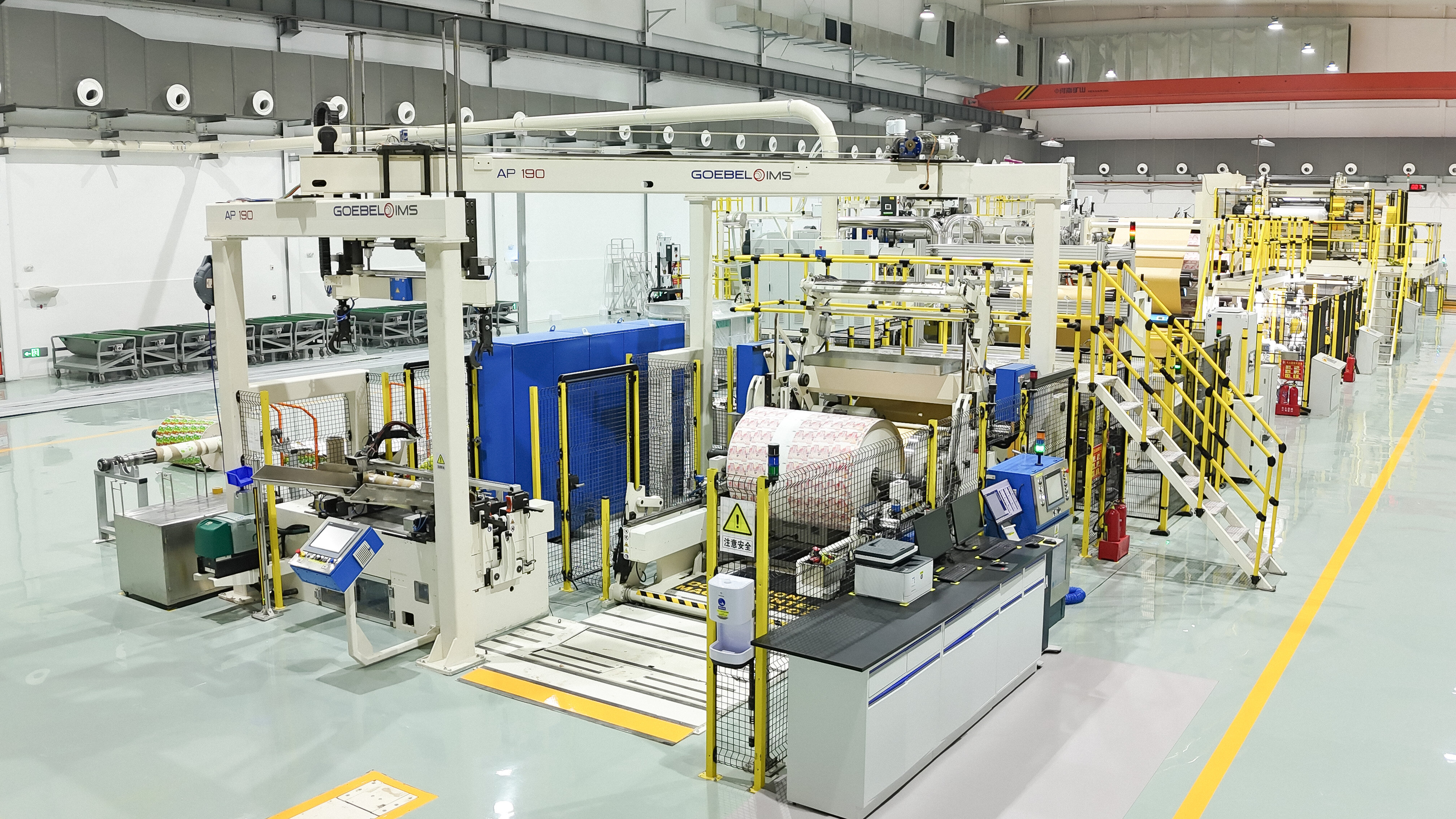
An in-depth analysis of the current market landscape, technological development trends, and future growth opportunities in the intelligent packaging equipment industry.
<p>> Smart Packaging Equipment: Refers to integrated packaging machinery that combines servo systems, machine vision, IoT, AI, and digital twins to complete forming, filling, sealing, inspection, coding, and downstream case packing. It is the equipment itself, not the packaging material. The largest segment is food and beverages (aseptic liquid milk, plant-based drinks), followed by pharmaceuticals, consumer goods, and e-commerce logistics packaging.</p><p>## I. Key Industry Drivers</p><p>1. <strong>Rising Labor Costs + Manufacturing Quality Upgrades</strong>: Labor shortages are driving production line automation. Brands seek higher OEE and lower scrap rates, shifting from single machines to full-line delivery models.</p><p>2. <strong>Regulatory & Compliance Pressure</strong>: Food and drug traceability requirements, carbon emission reductions, and packaging regulations (e.g., EU PPWR, domestic solid waste and circular economy policies) force equipment to adapt to new materials, implement unique item coding ("one item, one code"), and ensure full-process data logging.</p><p>3. <strong>Consumer Demand for Small Batches & High SKU Variety</strong>: Rapid iteration in beverages and dairy drives demand for flexible lines. Traditional fixed-specification equipment faces declining competitiveness due to long changeover times.</p><p>4. <strong>Supply Chain Sovereignty</strong>: Accelerated localization of core components (aseptic valves, high-precision flow meters, servos, visual inspection systems) reduces reliance on imported high-end lines.</p><p>## II. Six Core Development Trends</p><p>### Trend 1: From Single-Machine Automation → Modular Full Lines + Digital Twins for Flexibility</p><p>- <strong>Traditional:</strong> Independent fillers, carton sealers, and coders requiring manual handoffs.</p><p>- <strong>Current:</strong> **Modular designs enable rapid changeovers**, supporting quick switching between multiple package formats (Tetra Brik, gable-top, PET bottles), significantly reducing changeover time.</p><p>- <strong>Digital Twins:</strong> Simulate layout, debugging, and trial runs in a virtual environment to shorten on-site installation cycles. Real-time virtual-real mapping allows parameter optimization without physical trials, reducing error costs.</p><p>- <strong>Value:</strong> Meets the need for multi-SKU, small-batch flexible production in dairy and beverage companies.</p><p>### Trend 2: AI + Machine Vision + IoT: Shifting Operations from "Reactive Repair" to "Predictive Maintenance"</p><p>- Sensors deployed across equipment collect temperature, vibration, pressure, sterilization parameters, and sealing forces. Edge computing and cloud platforms enable real-time monitoring. AI predicts wear on bearings, seals, and aseptic valves, issuing early warnings and reducing unplanned downtime by **%~30%50**.</p><p>- <strong>Deep Machine Vision Application:</strong> Detects sealing defects, material scratches, leaks, foreign objects, and verifies QR codes/coding at high speeds online, replacing human inspection. Aseptic lines can monitor environmental stability in real-time.</p><p>- <strong>Remote Operations:</strong> Enables remote diagnostics and parameter tuning for cross-border clients (e.g., Latin America, Middle East), lowering overseas after-sales costs—a critical factor for export-oriented equipment manufacturers.</p><p>### Trend 3: Green & Low-Carbon Equipment Adaptable to Recyclable, Lightweight, and Paper-Based Materials (Highly Relevant to Tetra Pak)</p><p>Environmental regulations drive equipment design changes, making this the most significant differentiator over the next 3 years:</p><p>1. <strong>Equipment Energy Efficiency:</strong> Reduces energy consumption for sterilization, compressed air usage, and water consumption.</p><p>2. <strong>Compatibility with Sustainable New Materials:</strong> Supports virgin paper-based, high-recycled-content board, and biodegradable films. Solves challenges in forming, sealing, and sterilizing new materials (e.g., uneven recycled paper fibers require stricter control for aseptic filling).</p><p>3. <strong>Material Reduction Design:</strong> Supports package lightweighting while maintaining sealing strength; minimizes trim waste during production.</p><p>> </p><p>> For exports to the EU market, the ability to support recyclable packaging has become a mandatory tender requirement.</p><p>### Trend 4: End-to-End Digital Traceability: Equipment with Built-in "Data Compliance"</p><p>Food and pharmaceutical export markets mandate traceability. Equipment integrates variable data printing and RFID/NFC coding systems, binding each package unit (e.g., Tetra Pak) to production time, sterilization parameters, batch numbers, and equipment IDs.</p><p>- Production data automatically syncs with MES/ERP, ensuring immutable records compliant with FSMA and EU food regulations.</p><p>- Evolves from "Production & Packaging" to an integrated solution of "Production + Data Collection + Traceability," creating a premium point for high-end lines.</p><p>### Trend 5: Accelerated Localization of Core Components & Market Restructuring</p><p>High-end aseptic packaging equipment was long dominated by global giants. Currently, local breakthroughs continue in servos, machine vision, sensors, aseptic valve groups, and hydrogen peroxide sterilization systems.</p><p>- <strong>Short-term:</strong> Domestic substitution in mid-to-low end full lines; gradual breakthroughs in high-end aseptic liquid food lines.</p><p>- <strong>Long-term:</strong> Advantages of domestic equipment include shorter delivery cycles, localized after-sales service, and strong customization capabilities, ideal for emerging markets (Southeast Asia, Latin America). Shortcomings remain in high-end algorithms and long-term reliability accumulation.</p><p>### Trend 6: Service Model Transformation: From Hardware Sales to "Equipment + Software + Lifecycle Services" Subscription</p><p>The industry profit structure is shifting: hardware margins face intense competition, while software platforms, maintenance services, spare parts, and line optimization services gain share.</p><p>- <strong>Service Providers Offer:</strong> Line health monitoring SaaS platforms, predictive maintenance packages, remote diagnostics, and algorithm upgrades.</p><p>- <strong>For Equipment Manufacturers:</strong> Shifts from one-time sales to recurring service fees, increasing customer stickiness—ideal for long-term operations management for export clients.</p><p>## III. Segment Opportunities & Challenges (Focus: Aseptic Liquid Food Packaging Equipment)</p><p>✅ <strong>High-Growth Segments:</strong> UHT milk, plant-based beverages, pre-mixed drink aseptic filling (paper-based aseptic packaging like Tetra Pak); pharmaceutical aseptic packaging; e-commerce smart packing.</p><p>⚠️ <strong>Industry Challenges</strong></p><p>1. Price wars in low-end markets lead to severe homogenization; high-end clients have long verification cycles for aseptic reliability and stability.</p><p>2. Unstable processes for new materials (recycled paper) require continuous equipment iteration and adaptation.</p><p>3. Talent gap: Shortage of composite engineers skilled in mechanics, automation, food processing, and digitalization.</p><p>4. Trade barriers abroad: Rising thresholds for EU carbon taxes, packaging regulations, and equipment safety certifications.</p><p>## IV. Industry Outlook Summary for the Next 3~5 Years</p><p>1. Growth lies not in single machines, but in **flexible intelligent full-line systems + digital platforms + green material adaptability**;</p><p>2. Aseptic paper-based packaging equipment (Tetra Pak-style) benefits from global growth in plant-based and UHT beverages, offering vast space in emerging overseas markets;</p><p>3. Competition shifts from mechanical precision to **process capability, AI algorithms, data compliance, and lifecycle service**comprehensive competitiveness;</p><p>4. Manufacturers with collaborative R&D capabilities for materials and equipment, along with compliant export solutions, will command higher premiums.</p>